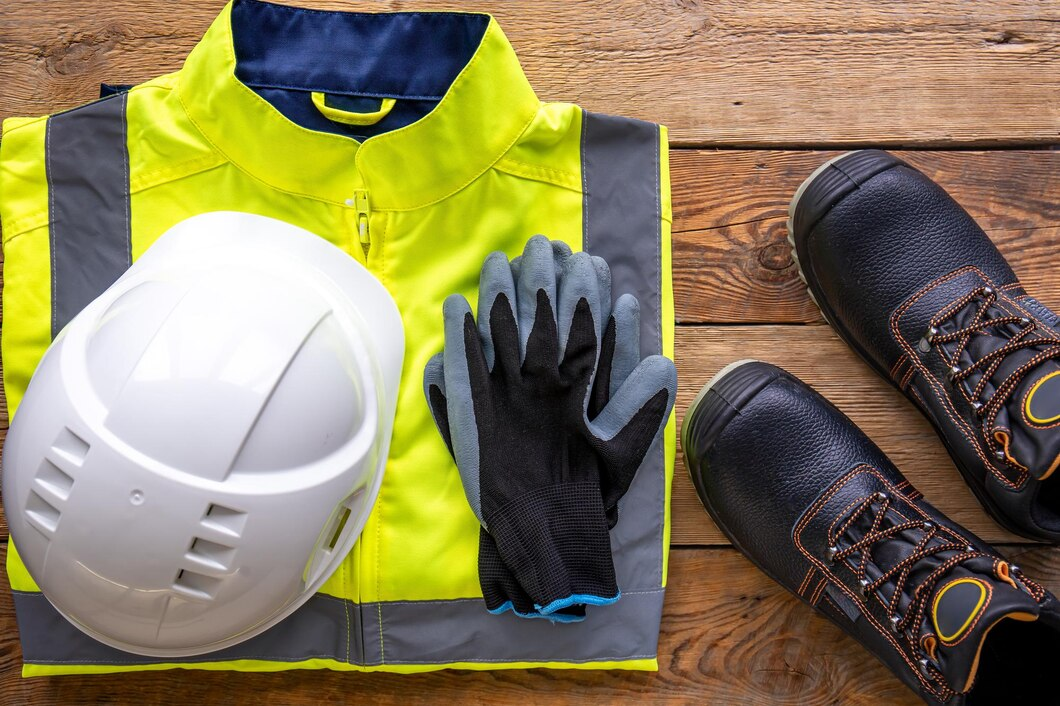
In any industrial or hazardous work environment, the safety of employees is paramount. Personal Protective Equipment (PPE) plays a crucial role in safeguarding workers from potential hazards and ensuring a safe working environment. Let's delve into the importance of PPE and how it contributes to workplace safety.
1. Understanding PPE
PPE includes a variety of equipment and clothing designed to protect workers from injuries and illnesses. Common types of PPE include helmets, gloves, safety glasses, ear protection, respirators, and protective clothing. Each type of PPE is tailored to protect against specific hazards, such as chemical exposure, physical injuries, and airborne contaminants.
2. The Importance of PPE
The primary purpose of PPE is to reduce the risk of injury and illness in the workplace. By providing a barrier between the worker and potential hazards, PPE helps prevent accidents and ensures that employees can perform their tasks safely. Proper use of PPE is essential in industries such as construction, manufacturing, healthcare, and chemical processing, where workers are exposed to various risks.
3. Types of PPE and Their Uses
Helmets: Protect the head from falling objects and impact injuries.
Gloves: Shield hands from chemicals, cuts, and abrasions.
Safety Glasses: Protect eyes from flying debris, chemical splashes, and radiation.
Ear Protection: Prevent hearing loss caused by exposure to loud noises.
Respirators: Protect the respiratory system from inhaling harmful substances.
Protective Clothing: Provides a barrier against chemical spills, heat, and flames.
4. Proper Use and Maintenance of PPE
To ensure the effectiveness of PPE, it is crucial to use it correctly and maintain it properly. Workers should be trained on how to wear and use PPE, as well as how to inspect and maintain it. Regular checks and replacements are necessary to ensure that PPE remains in good condition and provides adequate protection.
5. The Role of Employers
Employers have a responsibility to provide appropriate PPE to their workers and ensure that it is used correctly. This includes conducting risk assessments to identify potential hazards, selecting suitable PPE, and providing training on its use. Employers should also establish a culture of safety in the workplace, encouraging employees to use PPE consistently and report any issues with their equipment.
Conclusion
Personal Protective Equipment is a critical component of workplace safety. By providing essential protection against various hazards, PPE helps prevent injuries and illnesses, ensuring that workers can perform their tasks safely and efficiently. Investing in high-quality PPE and promoting its proper use is a vital step towards creating a safe and productive work environment.